Begin by brushing off dust, cobwebs, and loose dirt from the glass, frames, and tracks using a soft brush or your hand. This stops grime from turning into stubborn stains later.
Clean the Glass
Spray a glass cleaning solution evenly over the sliding door’s glass.
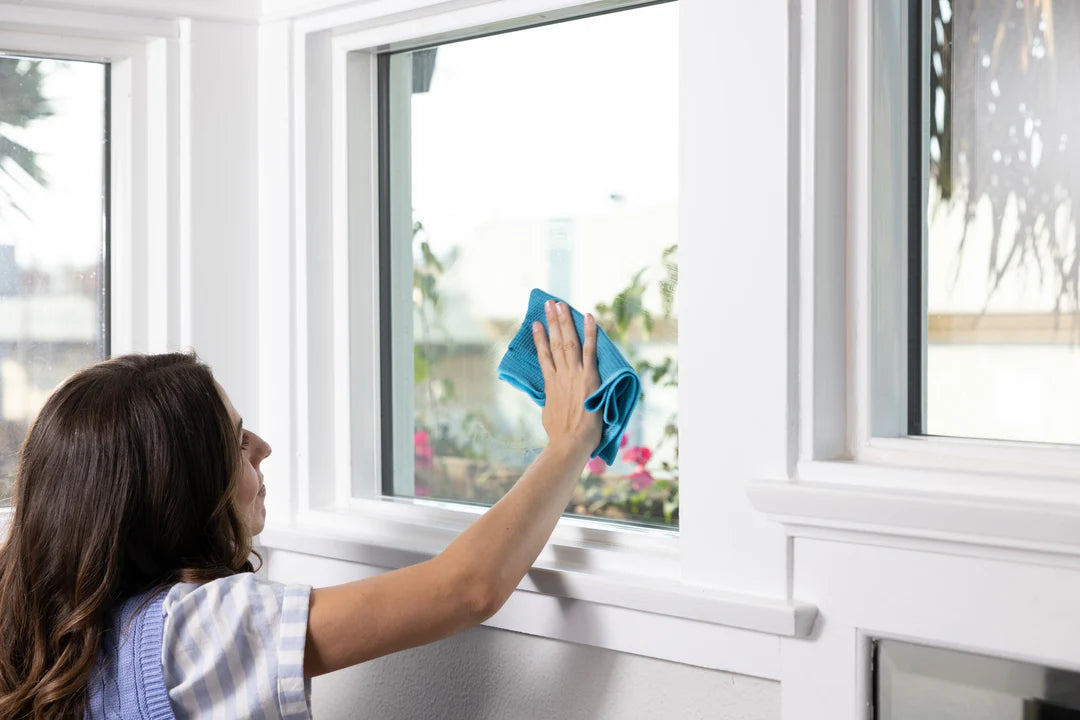
Wipe in circular, overlapping motions with a microfiber cloth to lift smudges and leave the glass sparkling.
Wipe Down the Frames
Dampen a clean cloth with your cleaning solution and wipe all surfaces of the door frames. Focus on areas that collect fingerprints and spots.
Tackle Stubborn Spots
For any tenacious grime, dampen a cloth with warm water and hold it on the spot for about a minute to loosen the grime, then scrub gently.
Final Drying
Finish by using a dry cloth to remove any remaining moisture. This extra step prevents streaks and leaves your sliding door looking fresh.
Precautions:
Precautions for Cleaning Sliding Balcony Doors
Check Product Compatibility: Always test the cleaning solution on a small, inconspicuous area to make sure it doesn't damage the glass, frame, or finish.
Use Non-Abrasive Tools: Avoid abrasive cloths or scrubbers that can scratch surfaces; opt for soft microfiber cloths instead.
Mind the Hardware: Be cautious around seals, locks, and sliding tracks; excess moisture or harsh chemicals can lead to damage or rust over time.
Prevent Water Damage: Ensure that cleaning fluids don’t seep into door frames or surrounding areas which might cause damage to adjacent materials or create slippery surfaces.
Secure the Door: Keep the door in a stable and secure position during cleaning to avoid accidental movement that could lead to injury or mishaps.
Follow Manufacturer Guidelines: When available, refer to the manufacturer’s cleaning recommendations for specific products or techniques, as these are designed to maintain the door’s integrity.
Be Weather-Aware: Avoid cleaning on windy or rainy days, as external conditions can interfere with the cleaning process or lead to unwanted residue buildup.
Wear Protective Gear: Consider using gloves and eye protection when handling cleaning solutions to prevent skin irritation or accidental splashes.
Inspect for Debris: Before cleaning, remove any loose dirt or debris from the door tracks to prevent scratching the glass surfaces during the process.
How to Maintain Cleanliness Sliding Balcony Doors: Extra Tips
Regular Track and Roller Cleaning
Remove debris by vacuuming the sliding tracks regularly to prevent blockages.
Wipe down the rollers and tracks with a damp cloth to remove dust buildup.
Inspect for rust or damage while cleaning to catch issues early.
Title
Glass Panel Maintenance
Clean the glass with a streak-free cleaner to keep it clear and shiny.
Use a microfiber cloth to avoid scratches and leave no lint behind.
Wipe frames and edges to remove any accumulated dirt and maintain overall appearance.
Title
Proper Lubrication
Apply a silicone-based lubricant to the rollers and tracks to ensure smooth operation.
Avoid oil-based products as they attract dust and can damage the surface.
Repeat lubrication every few months, especially in damp or harsh weather conditions.
Title
Seal and Caulking Inspection
Regularly check door seals and weather stripping for proper adhesion and damage.
Clean seals with soapy water and a soft brush to prevent mold buildup.
Replace any worn out or damaged caulking to maintain energy efficiency and water resistance.
Common Mistakes When Cleaning Sliding Balcony Doors
Skipping Decluttering
Clear off unnecessary items before you start cleaning to avoid redundant work and make surfaces more accessible.
A tidy area lets you focus on the cleaning itself, ensuring every nook gets the attention it needs.
Using Too Many Cleaning Products
Simplify your routine with a few trusted, multi-purpose cleaners instead of an overwhelming cabinet full of chemicals.
Mixing too many products can create unwanted chemical reactions and leave residue, which means more time spent cleaning up the mess.
Neglecting Regular Maintenance
Skip the “one-time deep clean” trap; instead, maintain cleanliness with regular, light cleaning sessions.
Consistent upkeep prevents stubborn buildup and reduces the overall cleaning time required each week.
Title
How Often to Clean Sliding Balcony Doors
Frequency Recommendation
Regular Cleaning Every Month: For most homes where sliding balcony doors aren’t subject to excessive dust, pollen, or nearby construction debris, a monthly cleaning keeps glass clear and tracks running smoothly. This frequency prevents buildup before it turns into a stubborn, time-consuming chore.
Biweekly for High-Traffic or Polluted Areas: If your home is in an urban setting, near busy roads, or adjacent to plants that shed pollen, cleaning every two weeks is advisable. More frequent cleaning helps avoid layers of grime and maintains optimal sliding performance.
Seasonal Adjustments: During high pollen seasons or after harsh weather conditions such as storms, stepping up the cleaning schedule temporarily can prevent corrosive salt or residue from weather exposure, which might affect both aesthetics and functionality.
Why This Frequency Works
Maintaining Appearance and Functionality: Regular cleaning ensures that dirt, dust, and debris don’t accumulate in the sliding mechanisms, which can hinder smooth operation and degrade the finish.
Avoiding Damage: Over time, accumulated grime can lead to scratches during cleaning attempts and can even erode the door’s finish. The recommended schedule minimizes abrasive buildup.
Efficiency and Prevention: A staggered cleaning approach—monthly or biweekly—prevents the need for intensive, time-consuming scrubbing sessions later, allowing you to tackle maintenance with minimal hassle.
Our high-performance microfiber products simplify cleaning, making it quick, easy, and effective, so you can enjoy visible results without the fuss. No streaks, just results.