Home | Hard-to-Reach Spots | How to Clean Behind the Baby Crib: Step-by-Step
How to Clean Behind the Baby Crib: Step-by-Step
Reviewed by Zac Kieffer
Updated: September 16, 2025
Easily clean behind the baby crib with E-Cloth. Discover a simple, effective method for spotless results in those hard-to-reach spots.
Title
How to Clean Behind the Baby Crib
Tools:
- E-Cloth - Baby-safe cleaning spray or solution - Small handheld vacuum or dustpan and brush - Bucket of water - Soft-bristled brush
Clear the Area
Gently pull the crib away from the wall just enough to create a small gap—ask for help if needed to ensure safety.
Temporarily remove any movable items tucked behind the crib, like mobile bumpers or small furniture, so nothing blocks your path.
Dust and Wipe Down
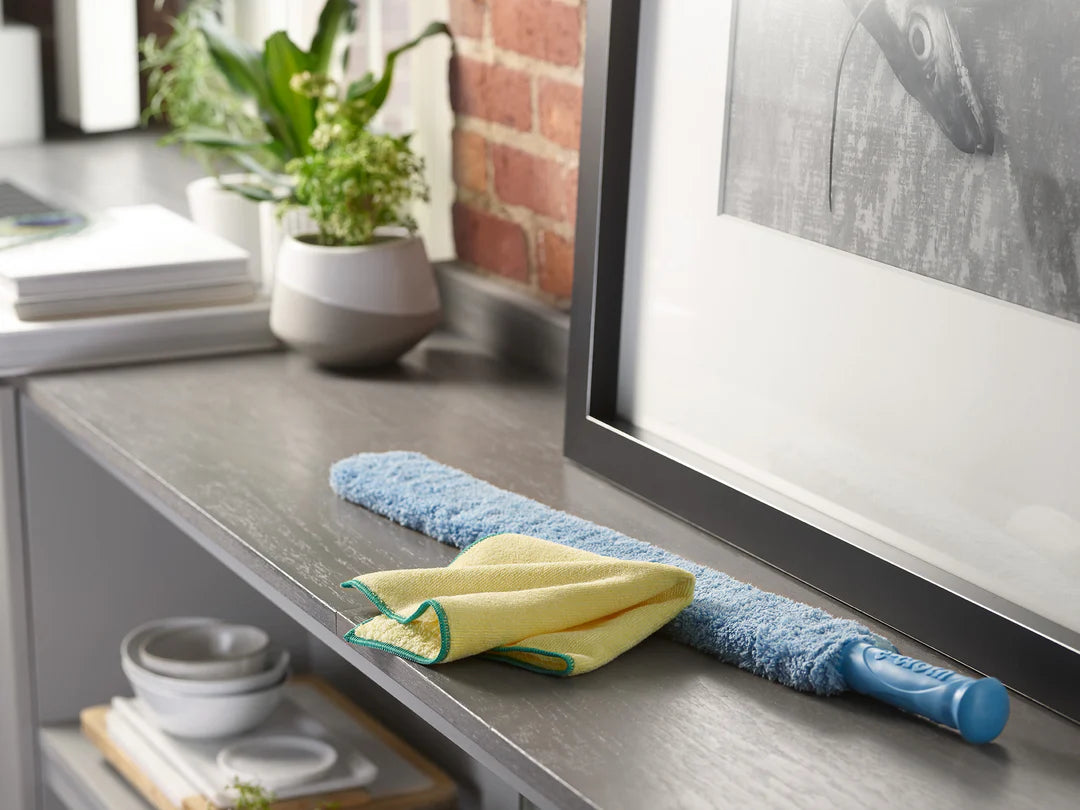
Use a dry microfiber cloth to sweep away dust from the wall and behind the crib—pay attention to those sneaky corners.
Follow up by wiping the area with a slightly damp, baby-safe cloth to capture any remaining dust or allergens.
Return and Final Check
Slowly slide the crib back into place, ensuring it’s safe and secure against the wall.
Do a quick visual check to confirm there are no missed spots—if needed, spot-clean any stubborn smudges.
Safety Precautions for Cleaning Behind the Baby Crib
Never leave your baby unattended in or near the crib while cleaning.
Ask for help when moving the crib to avoid injury or damaging the crib.
Check for loose parts or hardware after moving the crib—tighten if needed.
Keep cleaning supplies out of reach of children at all times.
Use only baby-safe, non-toxic cleaners and avoid strong chemicals or sprays.
Ensure the crib is fully stable and locked in place before returning your baby to it.
Watch for tripping hazards like cords, toys, or cleaning tools during the process.
How to Maintain Cleanliness Behind the Baby Crib: Extra Tips
Regular Dusting with a Baby-Safe Cloth
Wipe the area behind the crib weekly with a microfiber cloth dipped in a gentle, baby-safe cleaning solution.
Make sure to remove dust, hair, and any other debris that may accumulate in the corners.
Title
Vacuum with a Crevice Tool
Use a vacuum cleaner equipped with a crevice attachment to reach the tight spaces behind the crib.
Vacuuming frequently prevents allergens from building up and keeps the area fresh.
Title
Maintain Organized Storage Behind the Crib
Keep baby essentials organized in accessible storage to avoid clutter behind the crib.
Regularly check and rearrange items to ensure nothing spills over into the cleaning zone.
Title
Deep Clean During Seasonal Transitions
Schedule a deep cleaning session behind the crib each season to remove any lingering particles.
Use a soft brush attachment and warm, soapy water for a thorough clean that’s both effective and safe.
Common Mistakes When Cleaning Behind the Baby Crib
Don't Skip Moving the Crib
Issue: Leaving the crib in place prevents thorough cleaning behind it, causing dust, allergens, and even pest buildup.
Tip: Whenever possible, move the crib slightly or use cleaning tools that can reach behind it.
Remember: Even a gentle nudge can reveal accumulated grime that’s been quietly settling in.
Using Harsh Chemicals Near Sensitive Areas
Issue: Overly strong cleaning solutions can leave harmful residues that may irritate your baby’s sensitive skin.
Tip: Opt for mild, baby-friendly cleaners or natural alternatives like vinegar and water when cleaning behind the crib.
Remember: A clean space should be safe for both adults and little ones.
Neglecting Regular Deep Cleaning Sessions
Issue: Relying solely on quick, surface cleans allows hidden dust and allergens to accumulate over time.
Tip: Incorporate a deep cleaning routine that focuses on hard-to-reach areas behind the crib at least once a month.
Remember: Consistent effort avoids overwhelming buildup and keeps your baby’s environment fresh and healthy.
Title
How Often to Clean Behind the Baby Crib
Behind the Baby Crib: How Often to Clean
Clean behind the baby crib once a week. This frequency helps keep dust, allergens, and any unnoticed debris from accumulating where your little one might eventually explore.
Weekly cleaning is enough to maintain a healthier environment without turning cleaning into an all-day project, ensuring that hidden allergens don't get the chance to build up over time.
If you live in a particularly dusty area or your baby is prone to allergies, you might want to consider a slightly more frequent cleaning every 3-4 days to offer an extra layer of protection.
Sticking to a regular weekly schedule integrates seamlessly with general household cleaning routines, making it easier to manage while keeping your baby's surroundings as safe and inviting as possible.
Our high-performance microfiber products simplify cleaning, making it quick, easy, and effective, so you can enjoy visible results without the fuss. No streaks, just results.