Home | Hard-to-Reach Spots | How to Clean Behind the Dresser: Step-by-Step
How to Clean Behind the Dresser: Step-by-Step
Reviewed by Zac Kieffer
Updated: September 16, 2025
Easily clean behind the dresser with E-Cloth. Discover a simple, effective method for spotless results—no harsh chemicals needed.
Title
How to Clean Behind the Dresser
Tools:
- E-Cloth - Vacuum with hose attachment - Duster with extendable handle - Bucket of soapy water - Sturdy piece of cardboard (for creating a gap if dresser can’t be moved)
Step 1: Clear the Area
Take everything off the dresser and any nearby surfaces. You can’t clean behind what’s in the way.
Move small rugs or mats that are positioned in front or behind the dresser so that you have room to work.
Step 2: Move the Dresser (If Possible)
Carefully pull the dresser away from the wall. If it’s too heavy, ask for help or work slowly to avoid scratches.
If the dresser can’t be moved, open drawers and create a gap between the back panel and the wall using a sturdy piece of cardboard or similar aid.
Step 3: Dust and Vacuum
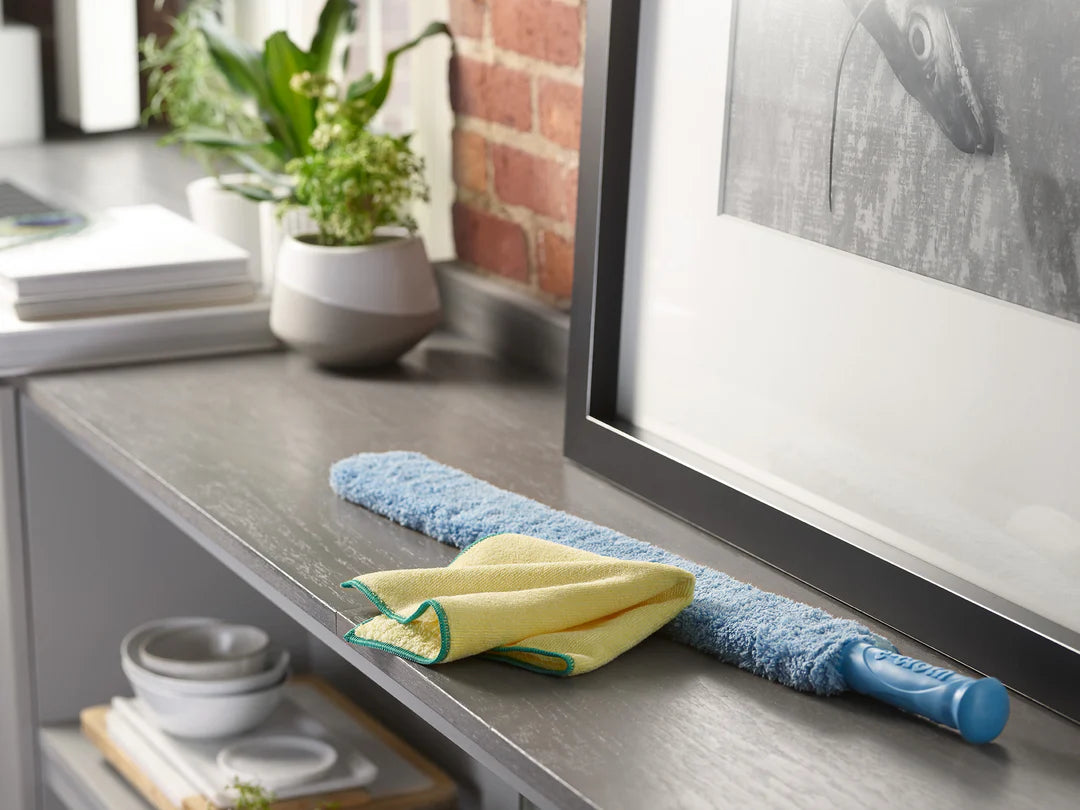
Use a microfiber cloth to dust the wall and the back of the dresser. A duster with an extendable handle works well for hard-to-reach spots.
Run a vacuum with a hose attachment along the gap to capture dust, pet hair, and debris. Go slowly to ensure you pick up as much as possible.
Step 4: Wipe Down the Area
After vacuuming, use a damp cloth to wipe away any remaining dust and smudges on the wall and the back panel of the dresser.
For stubborn spots, use a bit of soapy water, then immediately wipe with a clean damp cloth to avoid streaks.
Step 5: Restore and Arrange
Move the dresser back to its original spot if it was pulled away, or remove the gap tool and reposition any wall hangings.
Replace your items on the dresser and nearby surfaces, enjoying a spot that’s finally accessible and dust-free.
Safety Precautions for Cleaning Behind the Dresser
Unplug electrical items nearby to avoid tripping or electrical hazards.
Lift with your legs, not your back when moving the dresser; get help for heavy furniture to prevent injury.
Check for sharp edges or splinters on the back of the dresser and wall—wear gloves if needed.
Watch for cords, outlets, or pests behind the dresser before reaching in.
Ensure the dresser is stable and won’t tip over while cleaning or moving it.
Avoid using excess water to prevent damage to wood or electrical outlets.
Keep the area well-lit to spot hazards and clean thoroughly.
How to Maintain Cleanliness Behind the Dresser: Extra Tips
Regular Dusting Routine
Keep a microfiber cloth or duster handy and plan a weekly dusting session behind the dresser.
Use a vacuum with a brush attachment for hard-to-reach corners to prevent dust buildup.
Title
Declutter and Organize
Periodically sort items stored behind the dresser and remove anything unnecessary.
Organize remaining items in labeled boxes or containers to keep the space neat.
Title
Clean Spills Immediately
Act quickly on any spills or stains to prevent them from setting in behind the dresser.
Keep a gentle cleaning spray and microfiber cloth nearby for spot cleaning.
Title
Maintain a Regular Cleaning Schedule
Set aside time monthly to thoroughly clean behind the dresser, ensuring no hidden dirt accumulates.
Incorporate this into your overall home cleaning routine for a consistently fresh space.
Common Mistakes When Cleaning Behind the Dresser
Rushing the Dusting Process
Using a quick sweep often just stirs dust around instead of capturing it behind the dresser.
Failing to use microfiber cloths or proper vacuum attachments leads to dust buildup in hard-to-reach spots.
Neglecting Hidden Corners and Crevices
Often, dust and debris hide in the corners or beneath the dresser legs, and a standard clean won’t reach these areas.
Missing these spots can lead to allergen buildup and an overall less clean space.
Using the Wrong Cleaning Products
Harsh chemicals can damage the furniture’s finish and may leave a sticky residue, trapping more dust.
Not testing a small area first can lead to discoloration or deterioration of the dresser surface.
Title
How Often to Clean Behind the Dresser
Frequency and Rationale
Monthly Cleaning: Aim to clean behind the dresser about once a month. This interval is effective because dust, pet dander, and other allergens accumulate steadily in hidden spots, and a monthly clean helps prevent these residues from building up to problematic levels.
Monitor Your Environment: If you live in a dusty area, have pets, or suffer from allergies, sticking to a monthly schedule can be beneficial. In less exposed environments, you might extend the interval to every 6-8 weeks, but erring on the side of caution is key for maintaining air quality and cleanliness.
Preventative Focus: Regular cleaning also discourages pests and prevents the buildup of grime that could transfer to your dresser and surrounding areas. This proactive approach keeps your space healthier and ensures that the dresser remains a part of your overall clean environment.
Our high-performance microfiber products simplify cleaning, making it quick, easy, and effective, so you can enjoy visible results without the fuss. No streaks, just results.