Free Shipping to Contiguous 48 on orders over $30

Home  |  Hard-to-Reach Spots  |  How to Clean Behind the Freezer Door Seal: Step-by-Step

How to Clean Behind the Freezer Door Seal: Step-by-Step

  • Reviewed by Zac Kieffer

Updated: September 16, 2025

Easily clean behind the freezer door seal with E-Cloth. Simple steps for spotless results—no harsh chemicals needed.

Title

How to Clean Behind the Freezer Door Seal
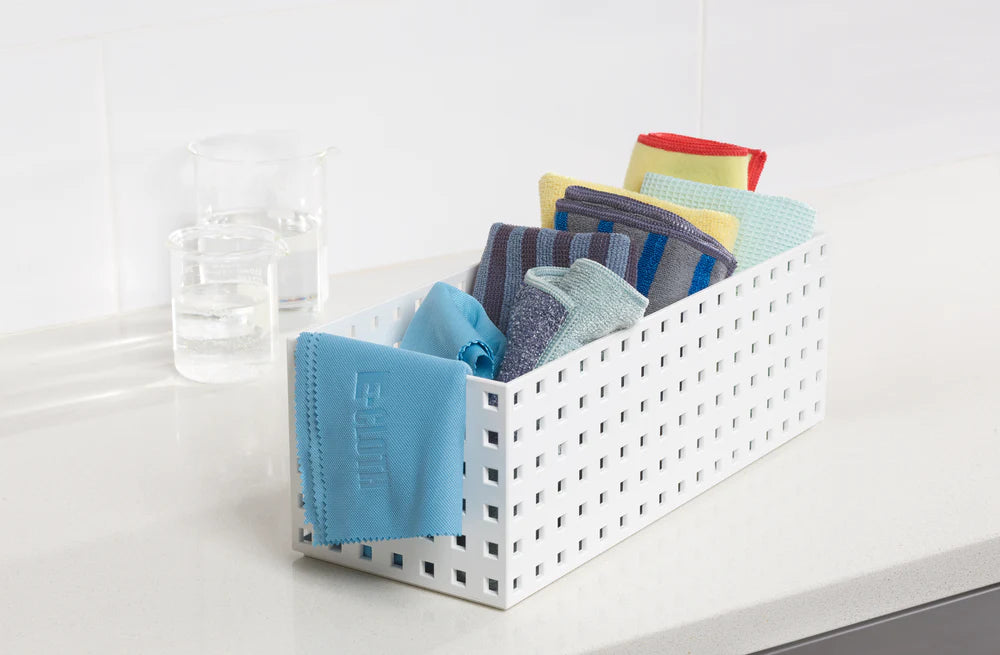
Tools:

- E-Cloth
- Dish soap
- Old toothbrush
- Fresh towel
- Warm water


Prepare the Area


  • Unplug the freezer to keep your hands and food safe.
  • Clear out any items from nearby for easy access.


Wipe Down the Seal


  • Dampen a soft cloth with warm water and a few drops of dish soap.
  • Gently wipe along the door seal, getting into the folds and crevices.
  • Use an old toothbrush to scrub lightly in tight spots if needed.


Rinse and Dry Thoroughly


  • Wipe the seal with a clean, damp cloth to remove any soap residue.
  • Dry the entire area with a fresh towel to prevent moisture and mold buildup.


Safety Precautions for Cleaning Behind the Freezer Door Seal

  • Always unplug the freezer before cleaning to avoid electric shock.
  • Wear gloves to protect your hands from cleaning agents and sharp edges.
  • Avoid using sharp tools that could damage the seal or scratch surfaces.
  • Work gently to prevent tearing or dislodging the seal.
  • Ensure the area is dry before plugging the freezer back in to prevent slips and electrical hazards.

How to Maintain Cleanliness Behind the Freezer Door Seal: Extra Tips

Regular Inspection and Cleaning


  • Inspect the freezer door seal monthly for crumbs, spills, and signs of mold or mildew.
  • Look along the entire length of the seal, ensuring no debris is trapped in the folds.
  • Check for any wear or damage that might compromise the door’s efficiency.

Title

Gentle Cleaning Routine


  • Mix warm water with a few drops of mild dish soap to create a gentle cleaning solution.
  • Wipe the seal using a soft cloth or sponge, avoiding any abrasive materials that could tear it.
  • Regularly clean both the inner and outer parts of the seal to keep it free of buildup.

Title

Thorough Drying After Cleaning


  • After cleaning, use a microfiber cloth to thoroughly dry the seal to prevent moisture-related issues.
  • Allow extra drying time especially in humid conditions to avoid the growth of mold.
  • Ensure the seal is completely dry before closing the freezer door.

Title

Periodic Deep Cleaning and Maintenance


  • Every few months, pay extra attention by gently scrubbing the crevices with an old toothbrush.
  • If possible (and following manufacturer instructions), remove the seal for a more comprehensive cleaning.
  • Consider reapplying a seal conditioner if recommended, to keep the gasket supple and efficient.


Common Mistakes When Cleaning Behind the Freezer Door Seal

Using Harsh Chemicals


  • Harsh cleaners can deteriorate the rubber seal, reducing its flexibility and effectiveness.
  • Avoid products with ammonia or bleach; instead, use a mild detergent mixed with warm water.

Overly Wet Cleaning Practices


  • Excess water can seep into gaps around the seal and damage the internal components of the freezer.
  • Use a lightly damp cloth to avoid leaving moisture that encourages mold or mildew.

Neglecting to Clean the Crevices


  • Small gaps and folds in the seal often collect dirt and debris that hinder proper sealing.
  • Make sure to clean every crevice carefully with a soft brush or cotton swab to remove stubborn grime.

Title

How Often to Clean Behind the Freezer Door Seal

 

Frequency Recommendation


  • It’s best to clean behind the freezer door seal once a month.
  • This monthly routine ensures you prevent buildup of grime, moisture, and mold that can compromise energy efficiency and food safety.


Reason Behind Monthly Cleaning


  • The freezer door seal experiences frequent exposure to warm, humid air every time the door opens, leading to condensation that can foster mold and bacteria if left unchecked.
  • A regular monthly check keeps the seal functioning properly by removing spills, crumbs, and any sticky residues, thereby preventing minor issues from growing into costly repairs.
  • If your household usage is heavy or if spills occur, you might need to inspect and clean it a bit more frequently—but a monthly routine is usually a solid baseline to keep your appliance in top shape.


vs

E-Cloth

Other Brands

Precision-engineered, uniform microfibers

Often crushed/less consistent fibers

No streaks with just water

May need chemicals for same results

Lasts ~300 washes

Many break down faster

Traps and locks in particles

Can smear dirt around

Reduces chemicals & waste, reusable

Less eco, more waste/chemicals

Shop Now

A Clean You Can See


Our high-performance microfiber products simplify cleaning, making it quick, easy, and effective, so you can enjoy visible results without the fuss. No streaks, just results.


Shop Now

30-day money back guarantee