Home | Hard-to-Reach Spots | How to Clean Behind the Radiator Pipes: Step-by-Step
How to Clean Behind the Radiator Pipes: Step-by-Step
Reviewed by Zac Kieffer
Updated: September 16, 2025
Easily clean behind radiator pipes with E-Cloth. Discover a simple, effective method for spotless results—no harsh chemicals needed.
Title
How to Clean Behind the Radiator Pipes
Tools:
- E-Cloth - Vacuum cleaner with hose attachment - Soft-bristled brush or old toothbrush - Mild detergent - Clean towel
Clear the Surrounding Area
Move any loose furnishings or objects to ensure you have full access to the space behind the radiator pipes.
Vacuum Loose Dust
Run a vacuum cleaner with a hose attachment along the wall and around the radiator to suck up dust and cobwebs.
Wipe Down Surfaces
Dampen a cloth with warm water and a bit of mild detergent, then thoroughly wipe the area behind the pipes to remove sticky grime and dust.
Target Crevices with a Brush
Use a soft-bristled brush or an old toothbrush to scrub the tight spots and corners where vacuuming and wiping can’t reach.
Dry to Prevent Dampness
Finish by drying the cleaned area with a clean towel to avoid any moisture buildup that could lead to mold.
Safety Precautions for Cleaning Behind Radiator Pipes
Turn off the radiator and let it cool completely before cleaning to avoid burns.
Wear gloves to protect your hands from dust, grime, and cleaning agents.
Avoid using excessive water near pipes to prevent drips onto electrical outlets or wiring.
Use a stable step stool if you need to reach higher areas, and never overreach.
Check for sharp edges on pipes or brackets and handle tools carefully.
Ventilate the area by opening a window if using cleaning products, to avoid inhaling fumes.
Do not force tools into tight spaces to prevent damaging pipes or walls.
How to Maintain Cleanliness Behind the Radiator Pipes: Extra Tips
Regular Dusting and Vacuuming
Brush off dust using a vacuum cleaner with a brush attachment to reach behind the radiator pipes.
Wipe surfaces with a microfiber cloth to remove loose debris without scratching the metal.
Plan these tasks weekly to prevent buildup and reduce allergens.
Title
Easy Access Cleaning Techniques
Move small items away from the radiator area to gain better access.
If possible, remove the radiator cover to clean behind and around the pipes meticulously.
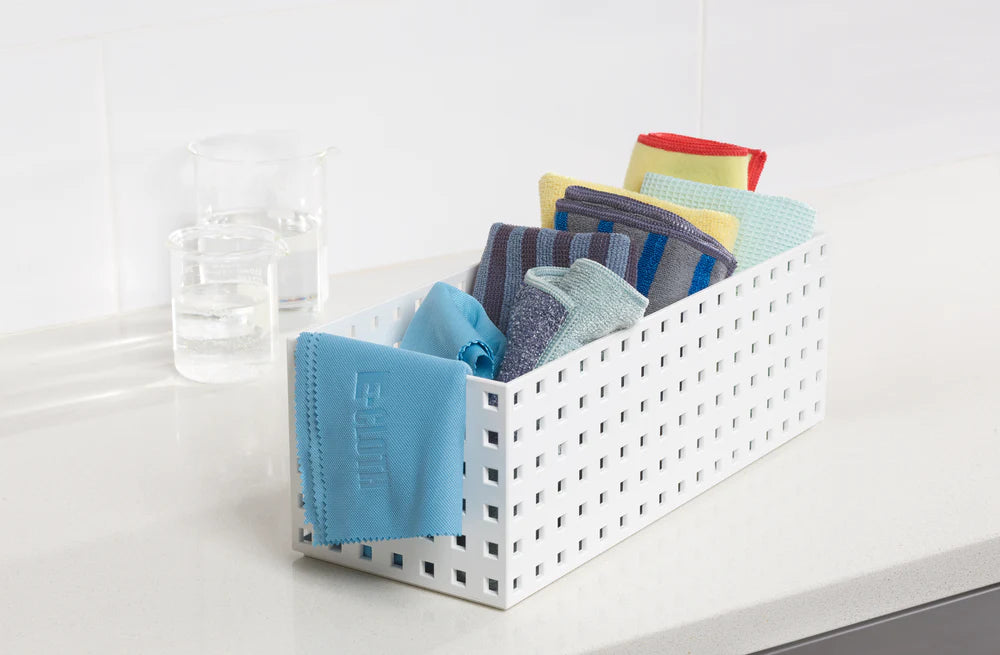
Keep a cleaning caddy nearby so you can quickly grab your tools and natural cleaning agents.
Title
Safe Cleaning Tools and Methods
Always use a soft cloth or non-abrasive sponge with warm, soapy water to avoid damaging surfaces.
For stubborn grime, mix a little vinegar with water – this natural cleaner works well on metal pipes.
Avoid using harsh chemicals that might corrode the pipes or leave residue in hard-to-reach areas.
Title
Preventive Measures for Long-Term Cleanliness
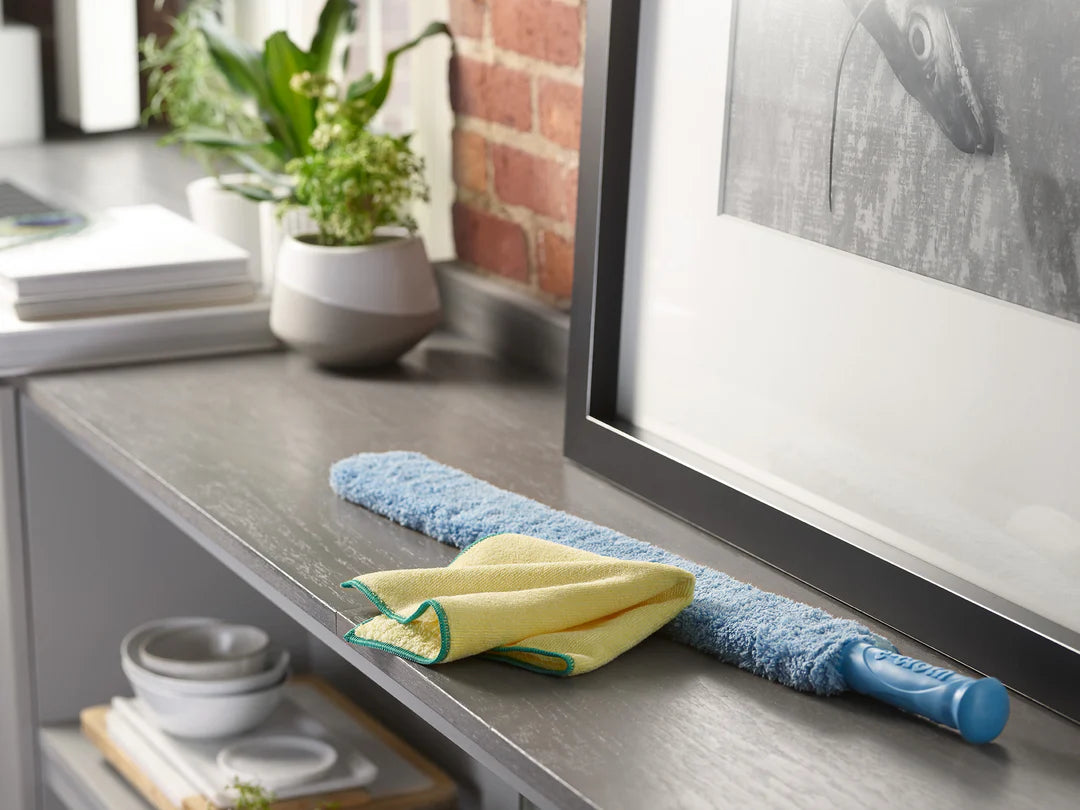
Install a small radiator brush or tool made for cleaning tight spaces to help remove dust regularly.
Consider using a dust cover or barrier during heavy cleaning sessions in the home.
Schedule periodic deep cleaning sessions to check for and remove any buildup before it becomes a problem.
Common Mistakes When Cleaning Behind the Radiator Pipes
Failure to Turn Off or Cool Down the Radiator
Don’t risk burns or damage: Cleaning an active or hot radiator not only exposes you to burns but can also distort pipe fittings.
Keep safety first: Always wait for the radiator to cool or switch off the heating to ensure a safe and effective cleaning process.
Using Harsh Chemicals or Excessive Water
Choose gentle solutions: Overly aggressive detergents or too much water can erode the metal surface, leading to rust or deterioration.
Stick with mild products: A diluted, non-corrosive cleaner paired with a damp cloth works best for preserving the radiator’s integrity.
Neglecting the Small Nooks and Crannies
Don’t overlook tight spaces: Dust and debris can easily accumulate in corners and behind pipes if not given sufficient attention.
Use appropriate tools: A soft brush or specialized vacuum attachment can help reach hidden areas, ensuring a thorough clean.
Title
How Often to Clean Behind the Radiator Pipes
Frequency of Cleaning
Clean behind the radiator pipes every 3 to 6 months to prevent dust buildup that can hamper heat circulation.
If your space is prone to dust, pet hair, or high traffic, lean towards the 3-month interval to maintain optimal efficiency.
Rationale Behind This Frequency
Regular cleaning prevents dust and debris from accumulating, which can obstruct heat distribution and reduce the overall performance of your radiator system.
The 3 to 6 month range accommodates seasonal variations in dust accumulation, ensuring that you address buildup before it negatively impacts heating efficiency.
Maintaining a consistent cleaning schedule helps avoid potential problems like increased energy consumption or system strain, keeping your space both warm and efficient.
Our high-performance microfiber products simplify cleaning, making it quick, easy, and effective, so you can enjoy visible results without the fuss. No streaks, just results.