Free Shipping to Contiguous 48 on orders over $30

Home  |  Hard-to-Reach Spots  |  How to Clean Behind the Sliding Wardrobe Doors: Step-by-Step

How to Clean Behind the Sliding Wardrobe Doors: Step-by-Step

  • Reviewed by Zac Kieffer

Updated: September 16, 2025

Discover simple, effective tips for cleaning behind sliding wardrobe doors using E-Cloth—no harsh chemicals, just spotless results.

Title

How to Clean Behind the Sliding Wardrobe Doors
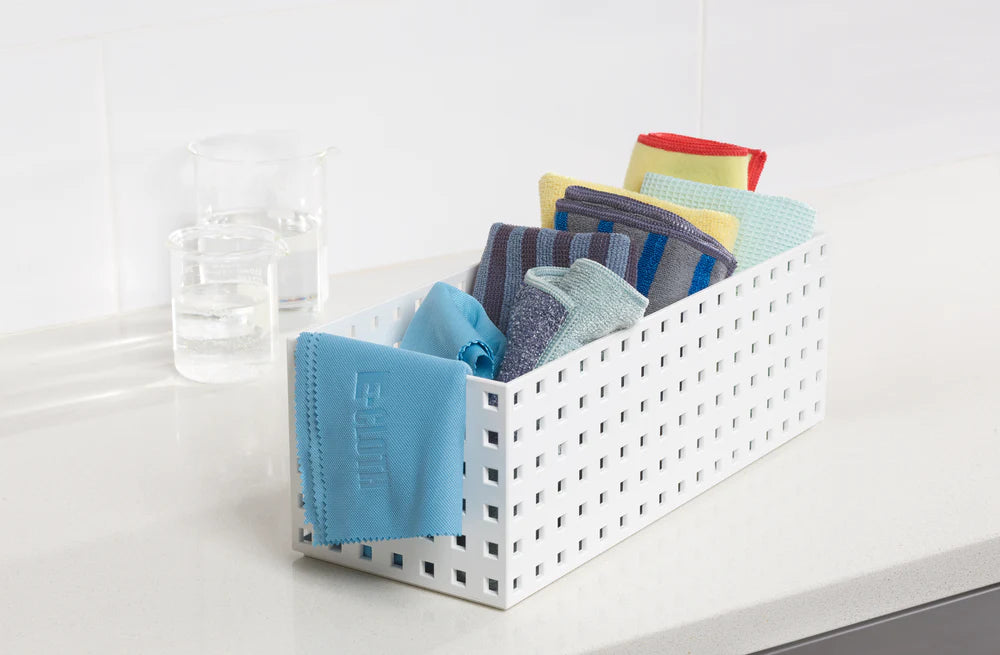
Tools:

- E-Cloth
- Soft-bristled brush
- Vacuum cleaner with a narrow nozzle
- Mild cleaning solution
- Dry cloth


Slide Open and Examine

 
  • Slide the doors fully open to reveal the hidden space behind them. Take a moment to assess where the dust and grime have built up.
  • Look for any debris that might have collected around the edges or corners.


Dust and Sweep Away the Loose Dirt

 
  • Use a microfiber cloth or a soft-bristled brush to gently dust off all surfaces behind the doors.
  • If you have a vacuum cleaner with a narrow nozzle, carefully sweep along the edges to suck up any loose particles.


Wipe the Surfaces Clean

 
  • Dampen a clean cloth with warm water (or a mild cleaning solution if needed) and wipe down all accessible surfaces.
  • Focus on the corners and crevices where dust tends to hide. Be gentle to avoid leaving streaks.


Dry and Recheck

 
  • After wiping, use a dry cloth to remove any remaining moisture.
  • Double-check the area for any missed spots, and repeat the cleaning process in those areas.


Safety Precautions for Cleaning Behind Sliding Wardrobe Doors

  • Ensure stability: Make sure the wardrobe is stable and won’t tip over as you clean. Avoid leaning heavily on the doors.
  • Mind your fingers: Keep fingers clear of the sliding tracks to prevent pinching or injury when moving the doors.
  • Watch for sharp edges: Be cautious of any sharp corners or hardware inside the wardrobe.
  • Use a sturdy step stool: If you need to reach high areas, use a stable step stool—never stand on unstable furniture.
  • Ventilate if using cleaners: If using a cleaning solution, ensure the room is well-ventilated to avoid inhaling fumes.
  • Avoid excess water: Do not oversaturate your cloth to prevent water from seeping into the tracks or wood, which could cause damage or mold.
  • Unplug nearby electronics: If there are electrical outlets or devices near the wardrobe, unplug them to avoid accidental contact with moisture.

How to Maintain Cleanliness Behind the Sliding Wardrobe Doors: Extra Tips

Quick Dusting and Spot Cleaning


  • Use a microfiber cloth to swiftly remove dust from the sliding wardrobe doors on a regular basis.
  • If fingerprints or small stains appear, wipe them immediately with a slightly damp cloth to prevent buildup.

Title

Deep Cleaning Routine


  • Once a month, mix warm water with a few drops of mild detergent to clean both the door surfaces and tracks.
  • Wipe thoroughly to remove any accumulated grime and sticky residues for a consistently fresh look.

Title

Clean the Tracks and Hinges


  • Dust and vacuum the door tracks regularly to remove dirt and prevent debris buildup.
  • Use a cotton swab dipped in a gentle cleaning solution to reach and clean hard-to-access crevices.

Title

Lubricate for Smooth Operation


  • After cleaning, apply a silicone-based lubricant to the tracks and hinges to ensure the doors slide easily.
  • Avoid heavy greases that can attract more dust, and clean the area before reapplying if needed.

Common Mistakes When Cleaning Behind the Sliding Wardrobe Doors

Using Harsh Chemicals on Delicate Surfaces

 
  • Mixing up cleaning agents can strip the finish or cause discoloration on areas behind the doors.
  • Always choose cleaners recommended for wood or specific surfaces to avoid unwanted damage.
  • Test a small area first to ensure there’s no adverse reaction before cleaning the entire surface.

Overlooking the Sliding Mechanisms

 
  • Forgetting to clean the tracks can lead to buildup that affects smooth sliding or even causes jams.
  • Accumulated dust and debris weaken the system's functionality over time, making maintenance crucial.
  • Regularly inspect and clean the tracks using a soft brush or compressed air for best results.

Neglecting Regular Dust and Debris Removal

 
  • Allowing dust to settle encourages scratches and stains when it's finally wiped off, potentially dragging particles across surfaces.
  • Dust layers can hide mold or mildew, especially in humid environments beneath the doors.
  • Incorporate routine cleaning into your schedule to prevent buildup and keep the area looking pristine.

Title

How Often to Clean Behind the Sliding Wardrobe Doors

 

Frequency Recommendation

 
  • Every three months: For most homes, cleaning behind the sliding wardrobe doors every three months strikes a balance between keeping dust and allergens at bay and preventing a massive, time-consuming clean-up later.
  • Monthly for high-use or specific conditions: If you or anyone in your home suffers from allergies, or if you live in an area with high dust levels or have pets that shed, consider a monthly touch-up to prevent buildup.
  • Adjust as needed: Monitor for excessive dust, debris, or even signs of moisture. If you notice more buildup in between, you might need to increase the frequency temporarily.
 

Why This Frequency?

 
  • Preventing Dust Accumulation: Regular cleaning ensures that dust and allergens don’t settle and affect the quality of the air around your clothes or the wardrobe’s mechanics.
  • Mold and Moisture Control: Periodic cleaning helps to check for any moisture buildup behind the doors, which could lead to mold growth, especially in humid climates.
  • Maintaining Smooth Operation: Keeping the area clean prevents debris from interfering with the sliding mechanism, ensuring that the doors move smoothly and quietly.
  • Ease of Maintenance: A regular schedule turns what could be a daunting chore into a quick and manageable task, keeping your space consistently fresh without a big time investment.
 

vs

E-Cloth

Other Brands

Precision-engineered, uniform microfibers

Often crushed/less consistent fibers

No streaks with just water

May need chemicals for same results

Lasts ~300 washes

Many break down faster

Traps and locks in particles

Can smear dirt around

Reduces chemicals & waste, reusable

Less eco, more waste/chemicals

Shop Now

A Clean You Can See


Our high-performance microfiber products simplify cleaning, making it quick, easy, and effective, so you can enjoy visible results without the fuss. No streaks, just results.


Shop Now

30-day money back guarantee