Home | Hard-to-Reach Spots | How to Clean Behind the Water Heater: Step-by-Step
How to Clean Behind the Water Heater: Step-by-Step
Reviewed by Zac Kieffer
Updated: September 16, 2025
Easily clean behind your water heater with E-Cloth. Discover a simple, effective method for spotless results in hard-to-reach areas.
Title
How to Clean Behind the Water Heater
Tools:
- E-Cloth - Vacuum cleaner - Duster - Bucket of water - All-purpose cleaner
Clear the Area
Move any items that clutter the space around the water heater to give you a clear workspace.
If possible, gently pull the water heater a little away from the wall (being cautious of its stability) to access the backside.
Dust and Vacuum Thoroughly
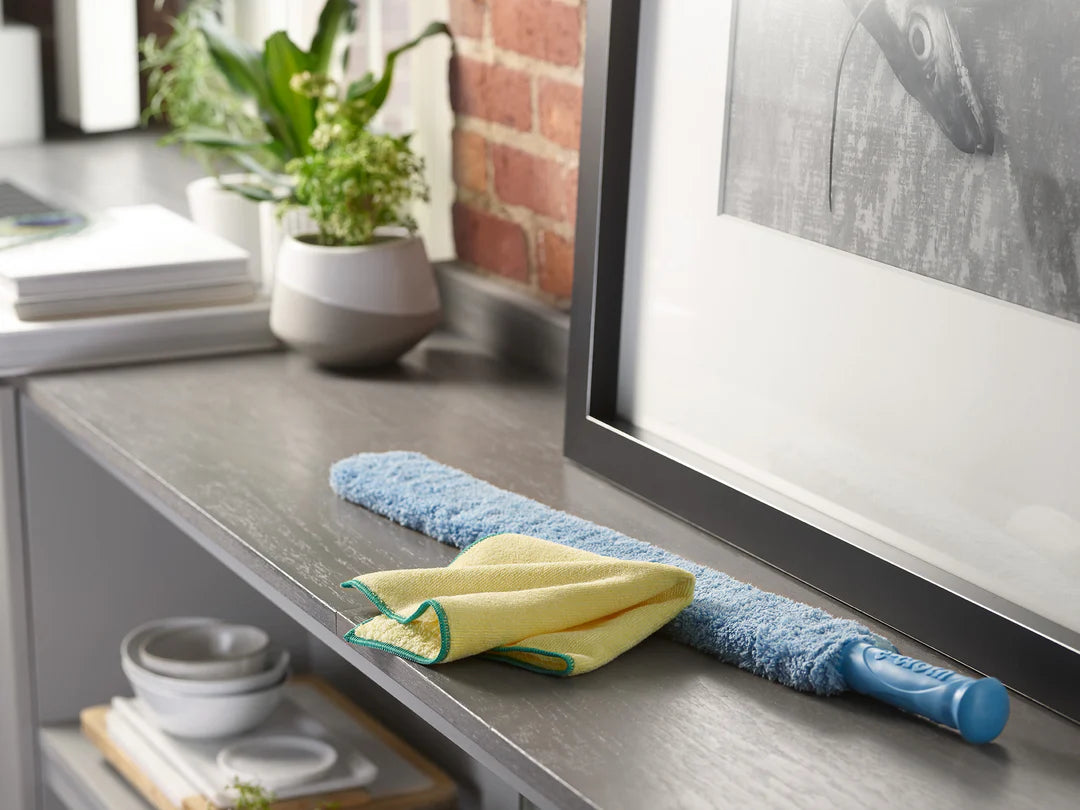
Use a microfiber cloth or duster to remove loose dust from behind the heater and on the wall.
Vacuum the area to pick up dust and any cobwebs that have gathered over time.
Wipe Down Surfaces
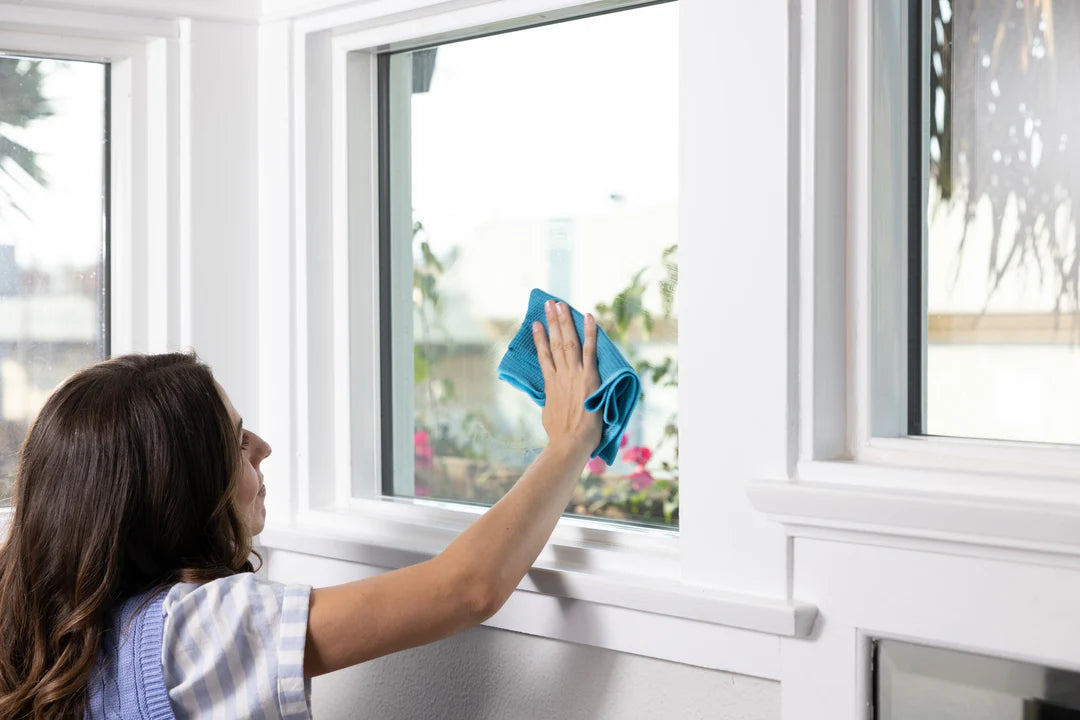
With a damp cloth, wipe the wall and any accessible surfaces behind the water heater to remove stubborn grime.
Let the area dry completely before pushing the water heater back into place or returning items.
Safety Precautions for Cleaning Behind the Water Heater
Turn off power/gas: Always switch off the power at the breaker (for electric heaters) or set the gas control to
How to Maintain Cleanliness Behind the Water Heater: Extra Tips
Clear the Area
Remove any clutter, debris, or items that can obstruct access around the water heater.
Keep a safety zone of at least three feet to ensure you can safely approach the unit.
Regularly sweep the floor to avoid dust buildup that might interfere with inspections.
Title
Dust and Wipe Down Surfaces
Wash down the exterior of the water heater to remove grease and dust.
Use a damp cloth with mild cleaner to wipe nearby walls and any shelving.
Do this cleaning at least once a month for optimal upkeep.
Title
Inspect for Leaks and Corrosion
Visually check the tank, piping, and valve connections for any signs of leakage or rust.
If you notice moisture or stains on the floor, address it immediately to prevent damage.
Schedule professional maintenance if you suspect any serious issues.
Title
Ensure Proper Ventilation
Keep the area around the heater well-ventilated to prevent moisture buildup that can lead to corrosion.
Clean any nearby fans or air intakes to ensure air circulates freely.
Consider installing an exhaust fan if your space tends to be damp.
Common Mistakes When Cleaning Behind the Water Heater
Neglecting Safety Precautions
Failing to turn off the power or water supply to the heater can lead to shocks or unwanted leaks.
Not wearing protective gear, such as gloves and masks, increases the risk of injury or inhaling dust and chemicals.
Overusing Harsh Chemicals
Using strong cleaners on the water heater's surfaces might cause corrosion or damage sensitive components.
Mixing different chemicals can create toxic fumes or reactions that degrade the equipment over time.
Ignoring Dust and Debris Build-Up
Failing to regularly remove dust and debris can block airflow, reducing the heater's efficiency and lifespan.
Overlooking hard-to-reach corners behind the heater often leads to hidden clogs that may cause overheating.
Title
How Often to Clean Behind the Water Heater
Cleaning Frequency Recommendation
Cleaning behind your water heater every six months is a solid rule of thumb. This interval keeps dust and debris from building up, ensuring proper airflow and reducing the risk of overheating or inefficiencies.
If your water heater is in a high-traffic area or a place where dust accumulates rapidly, you might want to lean toward a more frequent, quarterly clean. This extra step helps mitigate any potential hazards and maintains the appliance's performance.
Regularly removing buildup also provides a chance to spot any early signs of leaks or rust before they turn into major issues, which could lead to costly repairs or safety concerns.
Our high-performance microfiber products simplify cleaning, making it quick, easy, and effective, so you can enjoy visible results without the fuss. No streaks, just results.