Home | Hard-to-Reach Spots | How to Clean On Top of Kitchen Cabinets: Step-by-Step
How to Clean On Top of Kitchen Cabinets: Step-by-Step
Reviewed by Zac Kieffer
Updated: September 16, 2025
Discover how to easily clean on top of kitchen cabinets with E-Cloth. Simple steps for spotless results—no harsh chemicals needed.
Title
How to Clean On Top of Kitchen Cabinets
Tools:
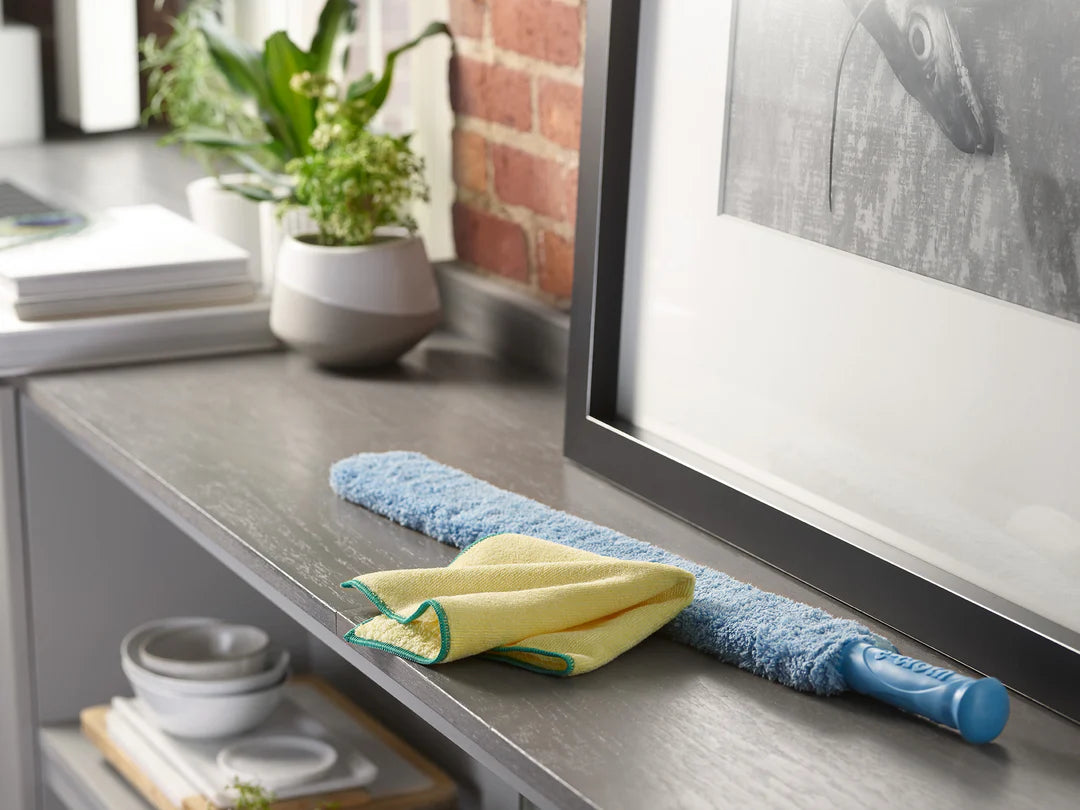
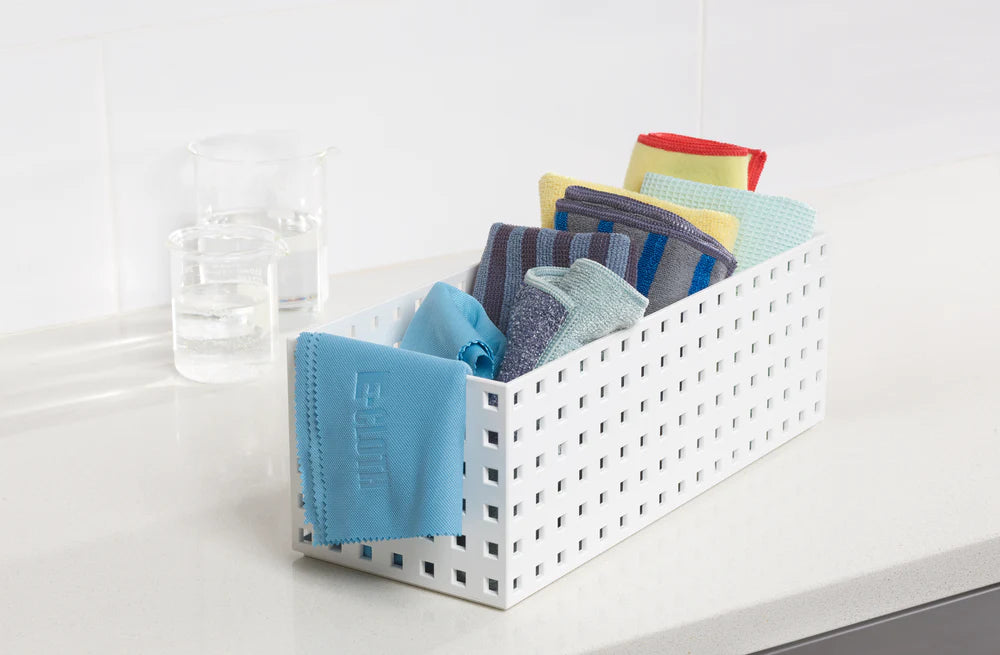
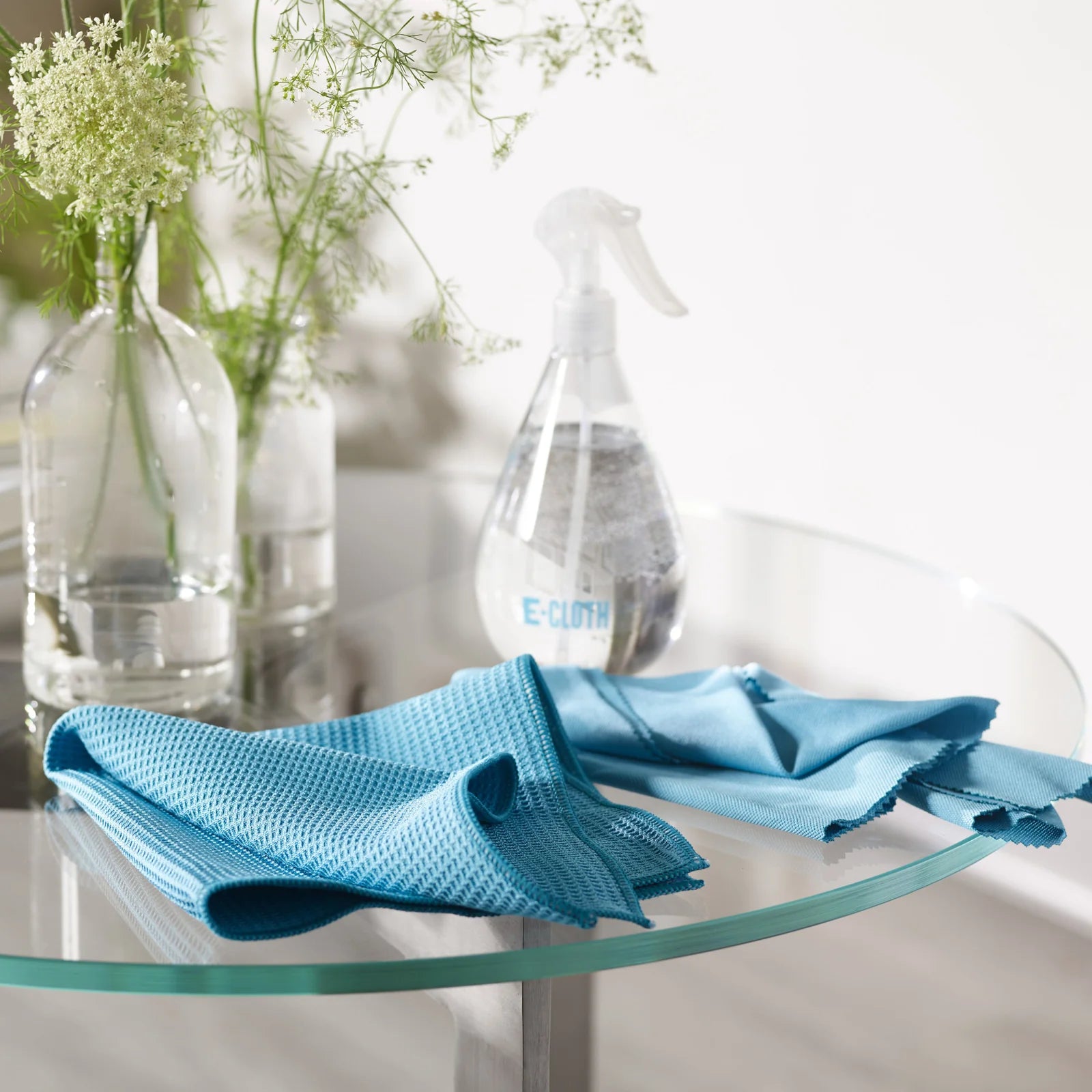
- E-Cloth - Extendable duster or long-handled duster - All-purpose cleaner or mild dish soap - Step stool or small ladder - Dry cloth
Declutter the Area
Remove any items stored on top of the cabinets so you have full access to the surface.
Use this chance to sort through items and toss or relocate anything you no longer need.
Dust Thoroughly
Use an extendable duster or a long-handled cloth to loosen and gather dust and cobwebs.
Work in sections, starting from one corner and moving across to ensure no area is missed.
Wipe Down the Surfaces
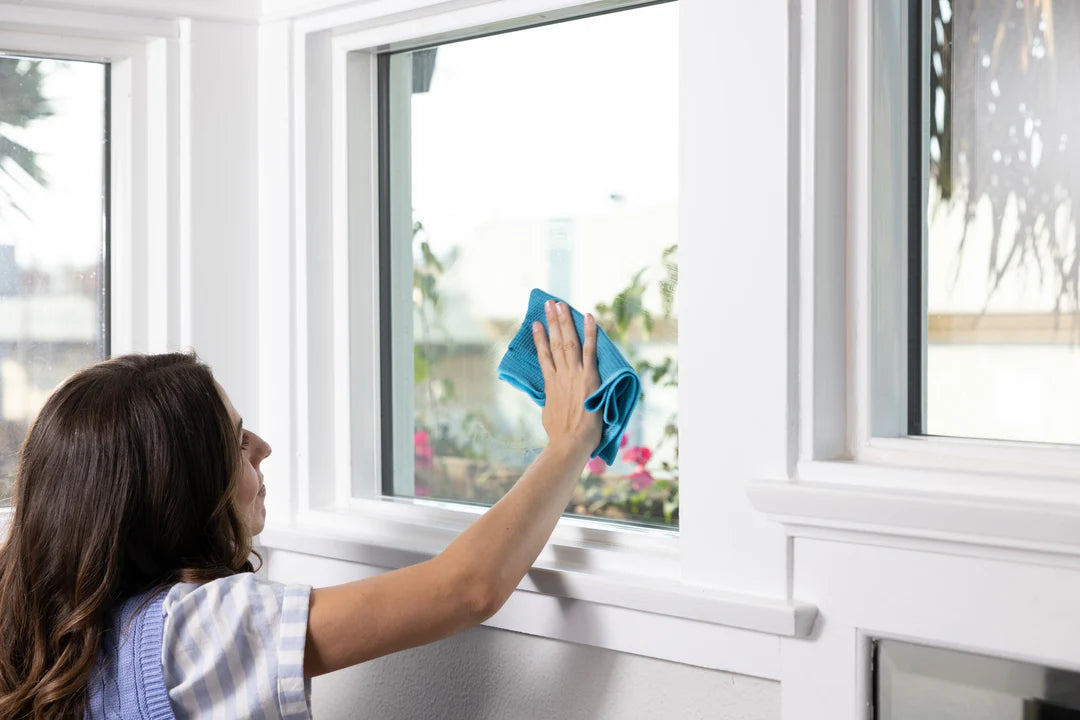
Take a damp microfiber cloth and gently wipe away any sticky residues or lingering grime.
Focus on the corners and edges where dust tends to gather, making sure to cover them all.
Final Touches
Give the area a final pass with a dry cloth to prevent streaks and restore a clean shine.
Step back and check for any missed spots, and enjoy your refreshed, dust-free space!
Safety Precautions for Cleaning On Top of Kitchen Cabinets
Use a sturdy step stool or ladder—never stand on countertops or unstable chairs. Ensure it’s on a flat, dry surface and lock it in place before climbing.
Wear non-slip shoes to prevent slipping while reaching overhead.
Protect your eyes and skin by wearing safety glasses and gloves, especially if using cleaning sprays or if there’s heavy dust.
Avoid overreaching—move the ladder as needed to keep your body centered and balanced.
Ensure good ventilation if using cleaning products, and never mix chemicals.
Keep the area below clear of obstacles to prevent tripping or falling objects.
Work with a partner if possible, especially if you need to hand down heavy or bulky items.
How to Maintain Cleanliness On Top of Kitchen Cabinets: Extra Tips
Regular Dusting
Wipe your cabinets at least once a week with a microfiber cloth or duster to remove dust.
This prevents buildup that can dull the finish and makes deeper cleans easier.
Title
Gentle Wipe Down with Mild Solutions
Mix a few drops of dish soap in a bowl of warm water and dampen a soft cloth.
Wipe the cabinet surfaces carefully, ensuring you don’t soak the wood or finish.
Title
Avoid Harsh Chemicals
Refrain from using bleach or abrasive cleaners that can strip the cabinet’s protective layer.
If you need something a bit stronger, test it on a small, inconspicuous area first.
Title
Regular Check of Hardware and Edges
Inspect knobs, hinges, and edges for sticky stains or grime buildup.
A quick clean here not only keeps things looking sharp but also helps the hardware function smoothly.
Common Mistakes When Cleaning On Top of Kitchen Cabinets
Overuse of Water and Harsh Chemicals
Excessive moisture can weaken cabinet finishes and lead to warping or damage.
Harsh cleaners might strip protective coatings—opt for a gentle, diluted solution instead.
Neglecting Dust Accumulation in Hidden Corners
Skipping the corners and backs of cabinets leaves a buildup of dust that can affect air quality.
Regular, thorough dusting prevents allergens and ensures a truly clean look.
Using the Wrong Tools for the Job
Rough cloths or abrasive sponges can scratch surfaces—use microfiber cloths for a gentle clean.
Not using a proper extension tool might mean missing hard-to-reach areas, leaving dirt behind.
Title
How Often to Clean On Top of Kitchen Cabinets
Frequency Recommendation
Every 3 Months: For a busy household where cooking happens daily, a quarterly clean helps prevent stubborn buildup of dust, grease, and other airborne particles.
Every 6 Months: In a less frequently used kitchen, biannual cleaning is generally sufficient to keep the area neat and avoid long-term dust and grime accumulation.
As Needed: If you notice visible dust, greasy patches, or a stale smell, consider cleaning immediately regardless of your regular schedule.
Why This Frequency
Prevents Deep Buildup: Regular cleaning stops dust and grease from hardening over time, which can make future cleaning more labor-intensive.
Improves Overall Air Quality: Accumulated dust and cooking residues can affect indoor air quality; cleaning regularly helps mitigate allergens and pollutants.
Maintains Aesthetic Consistency: The top of cabinets is a visible high spot; keeping it clean contributes to the overall polished look of your kitchen and home.
Our high-performance microfiber products simplify cleaning, making it quick, easy, and effective, so you can enjoy visible results without the fuss. No streaks, just results.