Home | Hard-to-Reach Spots | How to Clean Under the Sink Stopper: Step-by-Step
How to Clean Under the Sink Stopper: Step-by-Step
Reviewed by Zac Kieffer
Updated: September 16, 2025
Easily clean under the sink stopper with E-Cloth. Discover a simple, effective method for spotless results—no harsh chemicals needed.
Title
How to Clean Under the Sink Stopper
Tools:
- E-Cloth - Dish soap - Small cleaning brush (like an old toothbrush) - Warm water - All-purpose cleaning solution
Remove the Stopper
Lift or unscrew the stopper so you can access the hidden grime.
Set it aside and clear away any buildup or loose debris.
Clean the Stopper Thoroughly
Submerge the stopper in warm, soapy water to loosen stubborn dirt.
Scrub every groove with a brush until it’s visibly refreshed.
Rinse under hot water and let it dry completely.
Clean Under the Sink Area
Wipe the area around where the stopper sits using a damp cloth and cleaning solution.
Remove any spills or residue from the surface and crevices.
Once dry, reinstall the stopper ensuring it fits snugly.
Safety Precautions
Wear rubber gloves to protect your hands from grime, bacteria, and cleaning chemicals.
Turn off the water supply under the sink to prevent accidental leaks or splashes.
Ventilate the area by opening a window or turning on a fan if using strong cleaning products.
Avoid mixing cleaners (especially bleach and ammonia) to prevent toxic fumes.
Use non-slip mats or towels to prevent slipping on wet floors.
Handle the stopper carefully to avoid sharp edges or breakage.
Wash hands thoroughly after cleaning, even if you wore gloves.
How to Maintain Cleanliness Under the Sink Stopper: Extra Tips
Regular Cleaning Routine
Wipe down the surfaces under the sink weekly to remove dust and spills that can accumulate around the stopper.
Use a mild detergent mixed with warm water; avoid harsh chemicals that might damage the stopper.
Dry the area well after cleaning to prevent moisture build-up and potential mold growth.
Title
Keep Items Organized
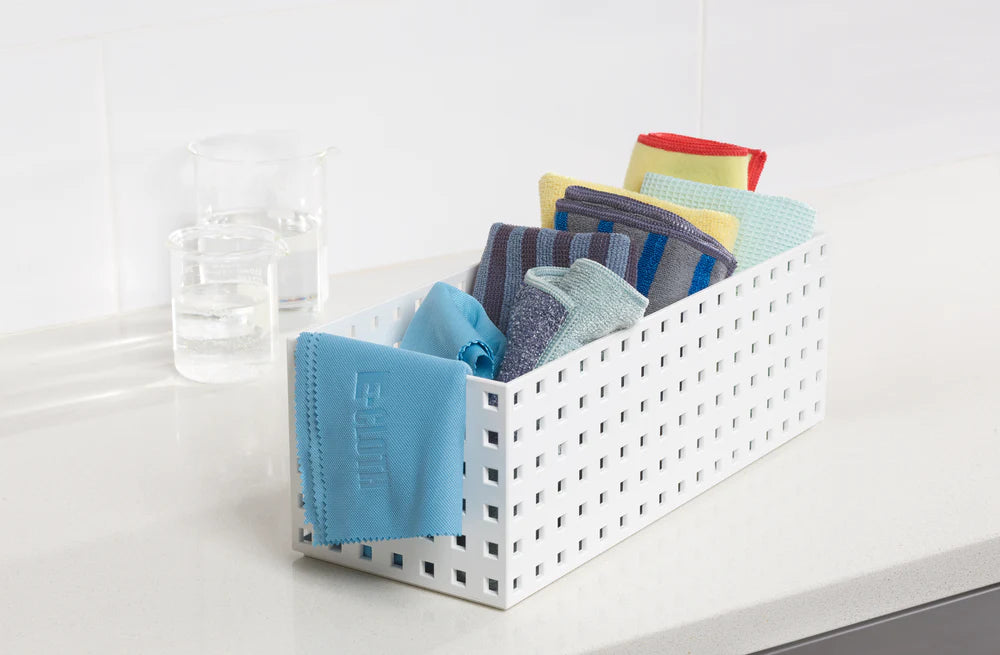
Arrange cleaning supplies in bins or organizers to avoid clutter that can interfere with the sink stopper mechanism.
Regularly check and dispose of expired products to reduce unnecessary buildup.
Ensure that nothing blocks the area around the stopper or its drainage openings.
Title
Inspect and Replace Seals
Periodically inspect the rubber seals around the sink stopper for cracks or wear.
Replace defective seals promptly to maintain a proper, airtight seal that prevents water damage and odors.
Keep a spare seal on hand for quick replacements to avoid prolonged exposure to moisture.
Title
Deep Clean Monthly
Every month, remove any detachable parts, such as sprayers or drain grids, to clean them thoroughly.
Soak stopper components in a mixture of vinegar and water to dissolve hard water deposits and grime.
Rinse well and reinstall; this helps in maintaining the cleanliness and efficiency of the stopper mechanism.
Common Mistakes When Cleaning Under the Sink Stopper
Using Harsh Chemicals
Avoid using toxic or abrasive cleaners: They can damage the stopper’s finish and corrode surrounding plumbing parts.
Opt for gentle solutions: Use a mild dish soap mixed with warm water to safely break down buildup.
Neglecting to Remove the Stopper
Don’t clean around it only: Failing to remove the stopper can hide grime and reduce the cleaning effectiveness.
Take it apart when possible: Removing the stopper allows you to clean every nook and cranny and to spot wear or leaks early.
Ignoring Residue and Clog Buildup
Don’t overlook hidden clogs: Residue can accumulate around the stopper, leading to blockages and unpleasant odors.
Regular inspection is key: Clean the area thoroughly and check for any debris that could cause drainage issues.
Title
How Often to Clean Under the Sink Stopper
How Often to Clean Your Under the Sink Stopper
Monthly Routine: For most households, cleaning the under the sink stopper once a month keeps grime, mold, and buildup in check. It’s a sweet spot—regular enough to prevent stubborn residues from forming, but not so frequent that it feels like a chore.
High-Usage Adjustments: If your sink sees heavy activity—think messy kitchens, frequent spills, or if you often use harsh cleaning chemicals—the stopper can quickly attract buildup. In these cases, consider a biweekly clean to avoid potential clogs or funky odors.
Why This Frequency: Moisture, soap scum, and debris naturally accumulate in that dark, damp nook. Keeping to a regular cleaning schedule helps prevent lingering bacteria, reduces the chance of mold, and eases future cleanings by avoiding the hardened gunk that’s tougher to remove.
Our high-performance microfiber products simplify cleaning, making it quick, easy, and effective, so you can enjoy visible results without the fuss. No streaks, just results.