Remove items like kitchen towels, decorations, or paper from close to the greasy areas.
Create a Soap Solution
In a bucket, mix warm water with a few squirts of dish soap.
Stir well until the water begins to bubble lightly.
Wipe Down with a Damp Cloth
Dip a clean cloth into the solution and wring it out so it’s damp but not soaking.
Wipe the greasy wall sections using gentle, circular motions to lift the grease.
Tackle Stubborn Spots
If grease clings on, re-dip your cloth or gently scrub with an old toothbrush on tougher spots.
Apply a little extra solution directly on the stubborn area and work it in before wiping off.
Rinse the Walls
Dampen another clean cloth with plain warm water.
Wipe over the cleaned areas to remove soap residue and remaining grease.
Dry the Surface
Finish by drying the wall with a clean, dry towel to prevent streaks and water marks.
Precautions:
Wear Protective Gear
Gloves: Always wear protective gloves to prevent skin irritation from harsh cleaning agents.
Eye Protection: Use safety goggles to protect your eyes from splashes.
Ensure Proper Ventilation
Open windows or use a fan to maintain airflow and prevent inhaling strong fumes.
Test Cleaning Products
Always test any cleaner on a hidden spot to ensure it doesn't damage or discolor the wall.
Avoid Mixing Chemicals
Never mix different cleaning products as it may cause dangerous reactions or produce hazardous fumes.
Protect Nearby Surfaces
Cover adjacent areas with cloth or plastic to avoid accidental splatters or damage.
Keep Cleaning Area Dry
Use minimal liquid to avoid saturating the walls, which can lead to mold or water damage over time.
Follow Manufacturer's Instructions
Always check the product label for safety precautions and proper usage details.
How to Maintain Cleanliness Greasy Kitchen Walls: Extra Tips
Choose the Right Cleaning Products
Use a degreaser or warm soapy water solution that’s formulated to break down kitchen grease.
Avoid harsh chemicals on painted walls; opt for non-abrasive cleaners.
Test a small, inconspicuous patch first to ensure the cleaner doesn’t damage the finish.
Title
Routine Wipe-Downs Are Key
Wipe the walls after cooking to prevent grease buildup.
Keep a microfiber cloth and a spray bottle handy for quick touch-ups.
Regular maintenance stops the grease from bonding to the surface.
Title
Use Protective Measures
Install a splash guard or consider using removable wall panels behind your stove.
Add a backsplash if possible, as it’s easier to clean than painted walls.
Apply a wipeable wall finish or sealant to create a barrier against grease.
Title
Schedule Regular Deep Cleans
Plan for a more thorough cleaning once a month using stronger cleaning solutions.
Remove any detachable fixtures or outlet covers to clean hidden spots.
When deep cleaning, scrub gently with a soft-bristled brush to avoid wall damage.
Common Mistakes When Cleaning Greasy Kitchen Walls
Not Using the Correct Cleaning Agent
Generic cleaners might not cut through stubborn grease. Choose a degreaser or a natural mix like vinegar and baking soda.
Avoid harsh chemicals that can damage wall finishes—always test on a small, hidden area first.
Over-Scrubbing the Surface
Excessive scrubbing may erode paint or wall texture, making the grease more pronounced.
Use gentle circular motions and a sponge or soft cloth to prevent surface damage.
Neglecting Regular Maintenance
Waiting until grease builds up makes cleaning harder. Wipe walls regularly to prevent stubborn stains.
Weekly maintenance with a mild cleaner can keep your walls looking fresh and extend the life of your finish.
Title
How Often to Clean How to Clean Greasy Kitchen Walls
Recommended Cleaning Frequency
For most kitchens, cleaning the greasy walls every two weeks is ideal. This schedule keeps the buildup in check without turning cleaning into a daily chore, and it helps prevent the accumulation of stubborn grease that can wear on your walls over time.
Why Every Two Weeks?
Grease Buildup: Cooking, especially frying and sautéing, releases grease particles that quickly settle on the walls. A bi-weekly cleaning prevents the grease from hardening or oxidizing.
Ease of Cleaning: Regular maintenance means the layers of grease remain manageable. If you wait too long, the layers become tougher to remove, requiring more elbow grease and possibly harsher chemicals.
Health Considerations: Grease buildup can trap dust and bacteria, potentially leading to odor issues or even minor health risks. Cleaning every two weeks minimizes these concerns.
Aesthetic Improvement: A consistently clean backdrop enhances your kitchen's overall appearance, giving it a fresher and more inviting feel.
Consider Tailoring the Frequency
High-Use Kitchens: If your kitchen sees heavy use or frequent frying, consider cleaning once a week.
Moderate Use: For light or moderate cooking, bi-weekly cleaning is usually sufficient.
Personal Preference: Adjust based on how visible the grease buildup is. Some may prefer even quicker maintenance if the walls seem excessively greasy.
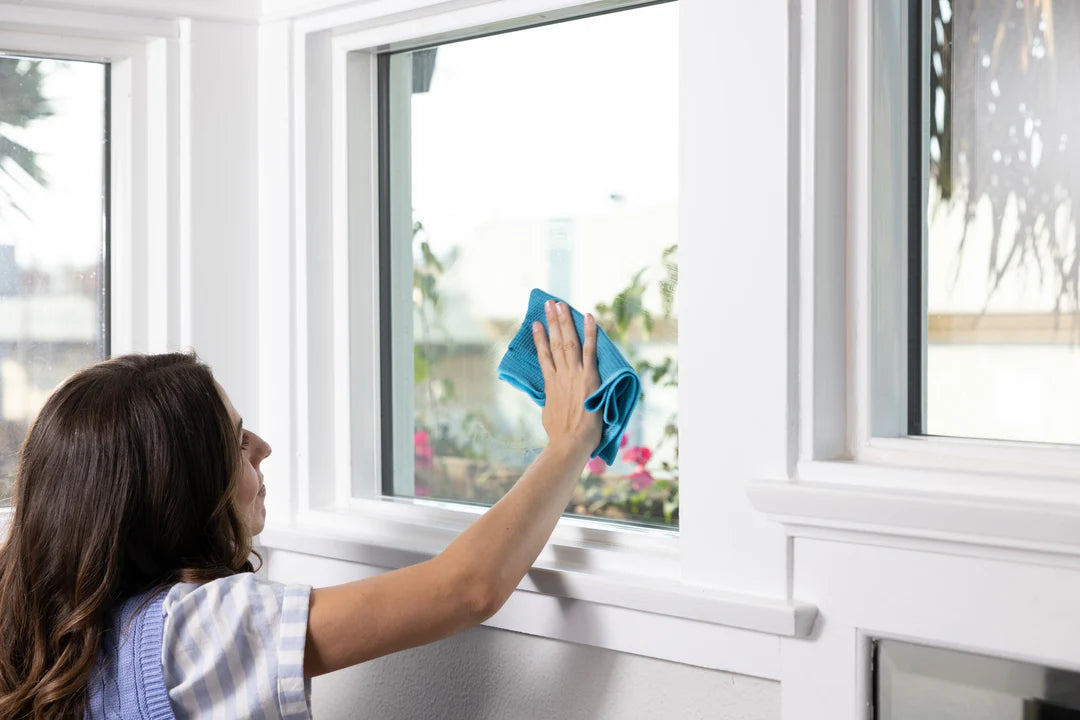
Our high-performance microfiber products simplify cleaning, making it quick, easy, and effective, so you can enjoy visible results without the fuss. No streaks, just results.